

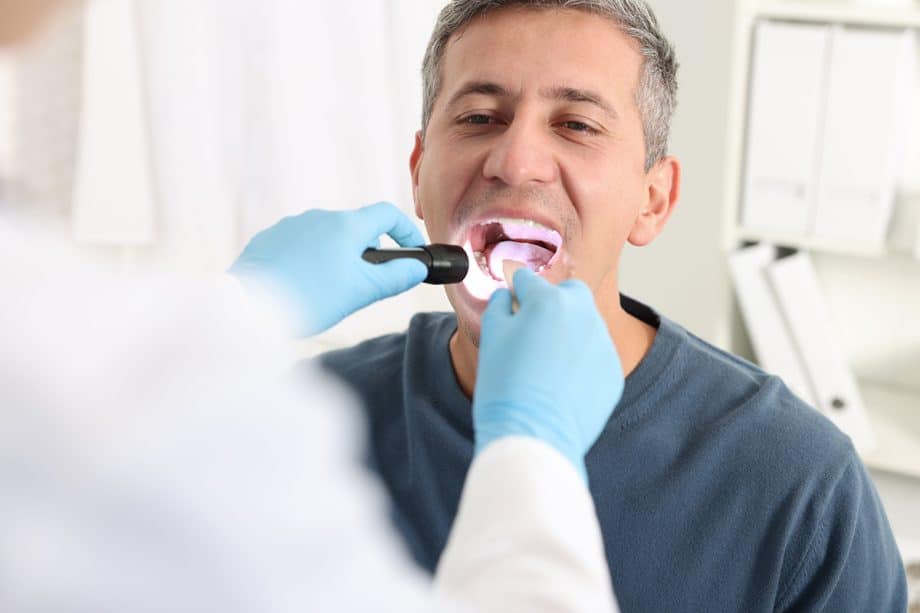
Early detection plays a critical role in successfully treating oral cancer, and advances in dental technology are making that process more precise than ever. One of the most innovative tools available today is CBCT imaging, which provides a detailed, three-dimensional view of oral structures. This technology allows dental professionals to identify abnormalities that may not be visible through traditional exams or standard X-rays.
At TMJ Plus Wellness Center, advanced diagnostic tools are part of a comprehensive approach to patient care. Understanding how CBCT imaging supports oral cancer screening can help patients feel more confident in the value of modern dental technology and the role it plays in protecting long-term health.
What Is CBCT Imaging and How Does It Work?
CBCT imaging, or Cone Beam Computed Tomography, is a specialized type of imaging that captures highly detailed 3D images of the teeth, jaw, soft tissues, and surrounding structures. Unlike traditional dental X-rays, which produce flat, two-dimensional images, CBCT scans provide a complete view from multiple angles.
During the scan, the machine rotates around the patient’s head, capturing hundreds of images in a matter of seconds. These images are then compiled into a digital model that allows clinicians to examine the area in depth. This level of detail is especially important when evaluating areas that are difficult to assess visually.
Because CBCT imaging provides such a comprehensive view, it can reveal subtle changes in bone density, tissue structure, or growth patterns that may indicate early-stage concerns. This makes it an invaluable tool in preventive and diagnostic care.
The Role of CBCT Imaging in Oral Cancer Screening
Oral cancer can develop in areas that are not easily visible during a routine examination. While visual screenings and physical exams remain essential, they may not always detect deeper or hidden abnormalities. This is where CBCT imaging becomes especially useful.
By offering a three-dimensional perspective, CBCT imaging allows clinicians to identify irregularities in the jawbone, sinuses, and surrounding tissues. These irregularities could include lesions, unusual growths, or changes in bone structure that may require further evaluation.
In addition to detection, CBCT imaging helps with accurate assessment. If an area of concern is identified, the detailed imagery can assist in determining its size, location, and potential impact on surrounding structures. This level of precision supports more informed decision-making and timely referrals if specialized care is needed.
Benefits of Using CBCT Imaging for Early Detection
One of the most significant advantages of CBCT imaging is its ability to support early detection. When oral cancer is identified in its early stages, treatment outcomes are often more favorable, and interventions may be less invasive.
CBCT imaging offers several key benefits that contribute to improved screening:
- Enhanced visibility: The 3D images provide a complete view of areas that are otherwise difficult to examine, reducing the risk of missed diagnoses.
- Greater accuracy: Detailed imaging allows for precise evaluation of abnormalities, helping clinicians distinguish between benign and potentially serious conditions.
- Non-invasive process: The scan is quick, comfortable, and does not require any surgical procedures, making it easy for patients to undergo as part of their routine care.
- Improved treatment planning: If further care is needed, CBCT imaging provides valuable information that supports targeted and effective treatment strategies.
These benefits make CBCT imaging an important component of a proactive approach to oral health, especially for patients who may be at higher risk for oral cancer.
Who May Benefit Most from CBCT-Based Screening?
While CBCT imaging can be beneficial for many patients, certain individuals may particularly benefit from this advanced screening approach. Those with a history of tobacco use, heavy alcohol consumption, or previous oral health concerns may have a higher risk of developing oral cancer.
Additionally, patients experiencing unexplained symptoms such as persistent mouth sores, difficulty swallowing, jaw pain, or changes in oral tissue may require more in-depth evaluation. In these cases, CBCT imaging can provide valuable insights that guide next steps in care.
Even for patients without noticeable symptoms, incorporating advanced imaging into routine evaluations can offer peace of mind. It ensures that potential concerns are identified early, when they are most manageable.
At TMJ Plus Wellness Center, the focus is on comprehensive care that prioritizes both prevention and early detection. By integrating technologies like CBCT imaging, patients receive a higher level of diagnostic precision that supports overall wellness.
A Smarter Approach to Oral Health and Early Detection
Advancements in dental technology continue to transform the way oral health conditions are identified and managed. CBCT imaging represents a significant step forward in the ability to detect oral cancer at its earliest stages, when intervention can make the greatest difference.
By combining detailed imaging with thorough clinical evaluation, patients benefit from a more complete understanding of their oral health. This proactive approach not only supports early detection but also helps build confidence in the care they receive.
If you are interested in advanced screening options or want to take a more proactive role in your oral health, scheduling a consultation can be an important first step.
Frequently Asked Questions About Oral Cancer Screening
Is CBCT imaging safe?
Yes, CBCT imaging is considered safe and uses a low dose of radiation compared to traditional medical CT scans. Dental professionals take all necessary precautions to ensure patient safety during the process.
How long does a CBCT scan take?
The scan itself typically takes less than a minute to complete. The entire appointment, including preparation and review, is usually quick and efficient.
Does CBCT imaging replace a regular oral cancer screening?
No, CBCT imaging complements traditional screenings. Visual exams and physical evaluations remain important, while CBCT provides additional insight into areas that are not easily visible.
Will I need CBCT imaging at every visit?
Not necessarily. The use of CBCT imaging depends on your individual needs, risk factors, and any symptoms you may be experiencing.
What happens if something unusual is found?
If an abnormality is detected, your provider will discuss the findings with you and recommend the appropriate next steps, which may include further testing or referral to a specialist.
At TMJ Plus Wellness Center, we are committed to providing advanced, patient-focused care that supports long-term wellness. Our team uses innovative technology to ensure accurate diagnosis and personalized treatment for every patient. If you are ready to take a proactive approach to your oral health, contact us today to schedule a consultation.