

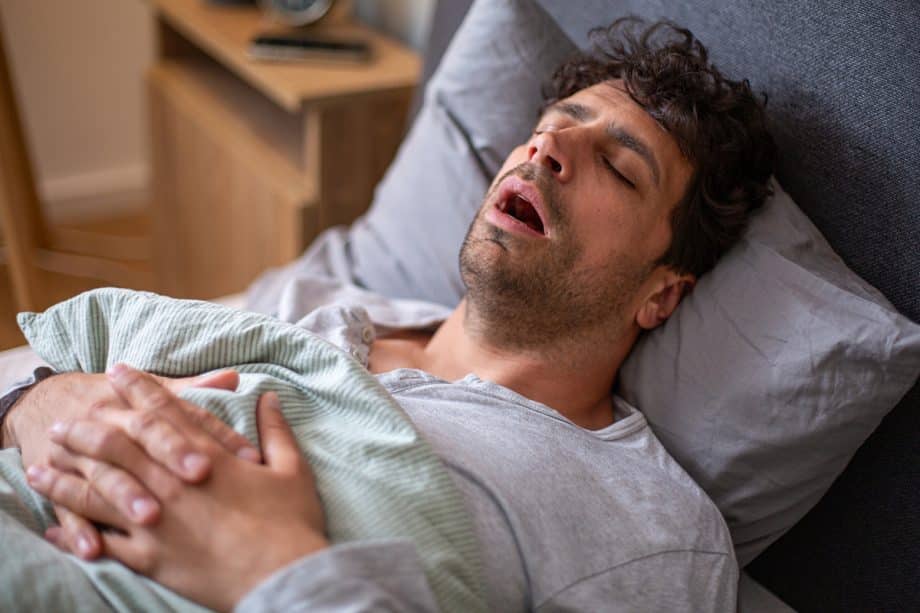
Sleep apnea and bite problems are often discussed as separate concerns, but they can be closely connected. Many people who struggle with sleep-disordered breathing also experience worn teeth, jaw discomfort, headaches, and changes in the way their teeth fit together. Over time, these issues can affect both oral health and overall wellness.
At TMJ Plus Wellness Center, Dr. Becky Coats takes a comprehensive approach that recognizes how muscles, jaw position, airway health, posture, and bite function work together. By addressing underlying bite problems and restoring damaged teeth with crowns when appropriate, patients may experience improvements in comfort, function, and quality of life.
Understanding the Connection Between Sleep Apnea and Bite Problems
Sleep apnea occurs when the airway becomes partially or completely blocked during sleep, leading to repeated interruptions in breathing. Common symptoms include loud snoring, daytime fatigue, poor sleep quality, and difficulty concentrating. TMJ Plus Wellness Center provides treatment options that help improve breathing and support better sleep health.
What many people do not realize is that airway issues can influence the way the jaw functions. When the body struggles to maintain an open airway, muscles throughout the head, neck, and jaw may compensate. Over time, this can contribute to clenching, grinding, jaw tension, and uneven pressure on the teeth.
Teeth grinding, also known as bruxism, is particularly common among individuals with sleep-related breathing disorders. The excessive forces generated during grinding can wear down tooth enamel, fracture teeth, damage restorations, and gradually alter the bite. As teeth become shorter or damaged, the jaw may no longer function in its ideal position, creating additional strain on the temporomandibular joints.
Dr. Coats emphasizes the relationship between airway health, TMJ position, muscles, posture, and the way teeth come together. This interconnected perspective helps identify the root causes of many chronic symptoms rather than focusing solely on individual teeth.
How Worn Teeth Can Impact Airway Health and Jaw Function
When teeth become significantly worn, chipped, cracked, or flattened, the consequences extend beyond appearance. The bite serves as a foundation for healthy jaw function. Changes in tooth structure can alter the position of the jaw and affect muscle balance throughout the head and neck.
Patients with advanced tooth wear may experience:
- Jaw pain or soreness
- Frequent headaches
- Neck discomfort
- Difficulty chewing
- Tooth sensitivity
- Clicking or popping joints
- Increased tooth fractures
These symptoms often overlap with TMJ disorders. In some cases, worn teeth can contribute to a cycle where poor bite alignment increases muscle strain, which then leads to more grinding and additional tooth damage.
TMJ Plus Wellness Center frequently evaluates patients experiencing symptoms such as jaw pain, headaches, worn teeth, and sleep concerns because these issues often share common underlying causes. Their comprehensive diagnostic process examines muscle activity, jaw movement, bite relationships, and airway health to develop personalized treatment plans.
The Role of Crowns in Bite Restoration
Dental crowns can play an important role in restoring teeth that have been damaged by years of grinding, clenching, or wear. A crown completely covers the visible portion of a tooth, helping restore its strength, shape, and function.
However, bite restoration involves much more than simply placing crowns on damaged teeth. At TMJ Plus Wellness Center, restorative treatment is approached as part of a larger plan designed to improve function, comfort, and overall oral health. Full mouth reconstruction may include crowns, bridges, implants, orthodontics, or other treatments depending on the patient's needs.
When crowns are used to restore worn teeth, they can help:
- Rebuild lost tooth height
- Improve chewing efficiency
- Create a more balanced bite
- Reduce excessive pressure on specific teeth
- Support healthier jaw positioning
- Enhance smile aesthetics
The goal is not simply cosmetic improvement. Properly restoring the bite can help create better harmony between the teeth, muscles, and jaw joints. This may reduce strain and improve long-term oral function.
Can Bite Restoration Help Sleep Apnea Patients?
While crowns are not a direct treatment for sleep apnea, bite restoration may be an important component of a comprehensive treatment strategy for certain patients.
Sleep apnea treatment often involves addressing airway function through oral appliances, lifestyle modifications, or other therapies. Oral appliances can reposition the jaw and tongue to help maintain a more open airway during sleep. These custom devices are commonly used for mild to moderate sleep apnea and are valued for their comfort and convenience.
For patients with significant tooth wear or bite collapse, restoring proper tooth structure may help support a healthier jaw relationship and improve the foundation for other treatments. Because the airway, jaw position, muscles, and bite all work together, correcting damaged teeth can be an important step in achieving long-term stability.
Every patient is different. Some individuals may benefit primarily from sleep apnea therapy, while others may require a combination of airway treatment, TMJ therapy, orthodontics, and restorative dentistry.
A Comprehensive Approach to Treatment
One of the reasons patients seek care at TMJ Plus Wellness Center is the practice's commitment to looking beyond symptoms and identifying underlying causes. Rather than treating isolated problems, Dr. Coats evaluates how various systems interact and influence one another.
This comprehensive approach may include:
- Evaluation of airway function
- Assessment of sleep apnea symptoms
- Analysis of jaw alignment
- Examination of muscle activity
- Bite assessment
- Identification of worn or damaged teeth
- Review of posture and related factors
By gathering detailed information, the team can develop customized treatment plans that address each patient's unique situation.
For some patients, full mouth reconstruction may become part of the process. Full mouth reconstruction is designed to restore function, alleviate discomfort, improve aesthetics, and address dental issues that contribute to TMJ symptoms. Crowns are often one component of these comprehensive treatment plans.
Long-Term Benefits of Restoring the Bite
When bite restoration is performed as part of a carefully planned treatment strategy, patients may experience a variety of benefits beyond simply repairing damaged teeth.
Potential benefits include:
- Improved chewing function
- Reduced stress on the jaw joints
- Greater comfort during daily activities
- Protection against future tooth damage
- Enhanced smile appearance
- Better support for comprehensive TMJ treatment
- Improved overall oral health
Many patients also report improvements in quality of life after addressing longstanding dental and functional issues. Full mouth reconstruction patients often experience improved comfort, confidence, daily function, and even better sleep.
Taking the Next Step Toward Better Sleep and Oral Health
Sleep apnea, worn teeth, TMJ symptoms, and bite problems are often interconnected. Ignoring one issue may allow others to worsen over time. A thorough evaluation can help determine whether damaged teeth, jaw dysfunction, airway concerns, or a combination of factors are contributing to your symptoms.
At TMJ Plus Wellness Center, patients benefit from a holistic approach that examines how the teeth, jaw, muscles, posture, and airway function together. By restoring damaged teeth with crowns when appropriate and addressing underlying functional concerns, it is possible to create a healthier foundation for lasting oral health and overall wellness.
Frequently Asked Questions About Sleep Apnea and Bite Restoration
Can sleep apnea cause teeth grinding?
Yes. Many people with sleep apnea grind or clench their teeth during sleep. Over time, this can lead to significant tooth wear, fractures, jaw discomfort, and bite changes.
Are crowns used to treat sleep apnea?
Crowns do not directly treat sleep apnea. However, they can restore damaged teeth and improve bite function, which may support a comprehensive treatment plan that includes sleep apnea therapy.
How do I know if my bite needs restoration?
Common signs include worn, chipped, cracked, or flattened teeth, difficulty chewing, jaw pain, headaches, and changes in how your teeth fit together. A comprehensive examination can determine whether bite restoration is appropriate.
Can restoring my bite help TMJ symptoms?
In many cases, restoring a balanced bite can help reduce strain on the jaw joints and surrounding muscles. Treatment plans are customized based on each patient's specific condition and needs.
Will I need crowns if my teeth have been damaged by years of grinding?
Not everyone with teeth grinding requires crowns, but patients with significant wear, fractures, or loss of tooth structure may benefit from restorative treatment. A comprehensive evaluation can determine whether crowns, bite adjustment, TMJ therapy, or other treatments are the best solution for protecting your teeth and restoring proper function.
We at TMJ Plus Wellness Center are committed to helping patients achieve better health through a comprehensive understanding of how the airway, jaw joints, muscles, posture, and bite work together. Our personalized approach focuses on identifying the root causes of discomfort and developing treatment solutions that support long-term wellness. Contact us today to learn more about your options.